Translation Bots for Discord: Comparing Features, Pricing, and Performance
Compare the best translation bots for Discord across language support, auto-translate modes, TTS, dashboard quality, pricing, and performance. Interaction Bot, iTranslator, and TranslateBot head to head.

The best translation bot for your Discord server depends on whether you need pure translation at scale, an all-in-one bot that also handles voice, or simple character-based pricing with no subscription treadmill. Interaction Bot is the strongest pick for a server that wants translation, text-to-speech, and AI features in a single free bot. iTranslator is the go-to for very large communities that need high-speed translation with serious uptime. TranslateBot suits servers that prefer to buy a character pack once and use it until it runs out, with no monthly bill.
This comparison covers every dimension that matters: language support, translation modes, TTS capabilities, dashboard quality, pricing tiers, and real-world performance. The data comes from each bot’s own website and documentation as of August 2026.
The bots compared at a glance
| Feature | Interaction Bot | iTranslator | TranslateBot |
|---|---|---|---|
| Languages | 100+ (set per channel, role or category) | 109+ (30 on free, full set on Premium) | 100+ |
| Servers | 55,000+ | 30,000+ | 3,000+ |
| Auto-translate channels | Yes | Yes (30 configs free) | Yes (linked channels) |
| Flag-reaction translate | Yes | Yes | Yes |
| Role-based translate | Yes | Yes (3 configs free) | No |
| Category translate | Yes | Yes (Premium) | No |
| /translate command | Yes | Yes (also in DMs via user-installable app) | Yes |
| Text-to-speech | Free | Pro AI tier (from €24.99/mo) | No |
| Speech-to-text | Yes | Pro AI tier | No |
| AI Q&A | Yes | No | No |
| Web dashboard | Yes | Yes | Command-based (no dashboard) |
| Free tier limit | Premium plan for extra capacity | 10,000 chars, vote to reset | 15,000 chars, one-time demo |
| Starting price | See interaction-bot.com | €8.32/month (Premium) | $9.99 (Silver, 225K chars) |
Figures from each bot’s site as of August 2026.
Language coverage and accuracy
All three bots draw from the same pool of machine translation engines. The practical difference is how each bot handles edge cases.
Interaction Bot does not publish a single language count. Instead it lets you set a target output language per channel, role or category, which matters more for a real community than a headline number. Run /languages inside Discord before building rules to confirm a language is available as a target. The bot’s article on how automatic translation works explains that detection performs better on complete sentences and that the bot skips ambiguous fragments, mentions, links, and code blocks so translated posts never ping the wrong members or break syntax.
iTranslator states 109+ languages on its homepage. The free tier limits you to 30 of them; the full set unlocks with Premium (€8.32/month). iTranslator reports 500,000+ active users and 60 million messages translated, which signals that its engine handles real traffic at scale. The bot claims under 0.2 seconds average translation speed and 99.9% uptime.
TranslateBot also supports 100+ languages. Its site reports over 9 million messages translated per month across more than 3,000 servers. It does not specify detection behavior on short messages, but the underlying engine (Google Translate or similar) is the same one the larger bots use. The main difference is that TranslateBot ties its language access to a character allowance rather than a subscription.
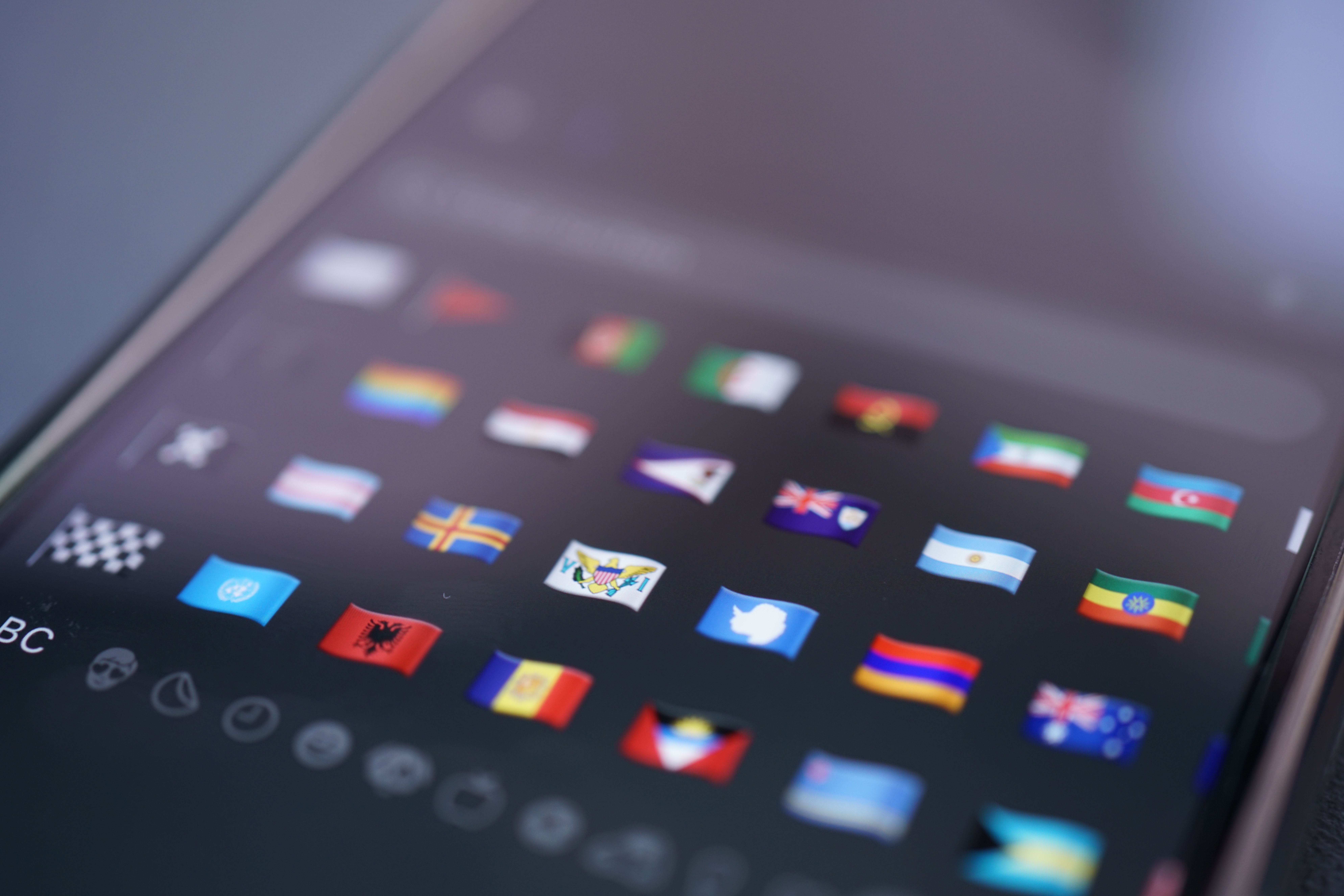
Translation modes: auto, on-demand, and both
Getting the mode right matters more than the bot you pick. Every server has a mix of channels where automatic translation is essential and channels where it would be noise.
Interaction Bot offers four modes: channel-wide automatic translation, category-wide rules for groups of channels, role-based translation that follows members across rooms, and flag-based translation where members react with a flag emoji to request a language. The setup guide walks through each one. The bot can present results as an embed, a webhook, or a plain message, and it can keep or delete the original.
iTranslator supports flag reactions, role-based auto-translate, and a /translate command that works in direct messages and servers where the bot is not installed, thanks to its user-installable app. The free tier caps auto-translate at 30 configurations and role translation at 3 configurations, which is generous enough for a medium server but could be tight for a large one.
TranslateBot uses linked channels and flag translations. You set up channel pairs (one source, one destination) and the bot translates between them. It also supports flag reactions for on-demand translation. The character-based model means every translation you use counts against your allowance, so active servers will want to budget accordingly.
TTS and voice integration
This is where the bots diverge most.
Interaction Bot includes free text-to-speech and speech-to-text in its free tier. A member types a message, the bot translates it, then reads it aloud in a voice channel using a voice that matches the target language. This is the only bot on this list that combines translation and TTS without requiring a paid plan. The TTS guide covers the full pipeline: detect or select the source language, translate, then pick a matching voice. For language learners and accessibility, that pipeline matters.
iTranslator reserves TTS and speech-to-text for its Pro AI tier at €24.99/month. The free iTranslator tier is translation only, which is fine if you only need text. But if voice matters to your community, you are either paying for Pro AI or using a second bot.
TranslateBot has no TTS or voice features at all. It is a text-only translation bot.
Accede Productions’ walkthrough of iTranslator demonstrates how a modern translation bot handles automatic and on-demand translation, and what the setup flow looks like from a server admin’s perspective:
Dashboard quality
A web dashboard is what separates a bot you can manage in seconds from one you abandon after the first configuration.
Interaction Bot places translation, TTS, speech-to-text, and AI controls in a single web dashboard. You log in through Discord OAuth, pick your server, and every setting lives under one navigation sidebar: Channel Translation, Role Translation, Category Translation, Flag Translation. The dashboard also exposes style controls (embed, webhook, message), delete options, and per-rule language selection. Our complete setup guide shows every control page.
iTranslator also provides a web dashboard with configuration and usage statistics. The free tier gives you access to the dashboard, and Premium adds advanced features like custom bot profile, auto-react, text-replacement rules, and report statistics. iTranslator’s dashboard supports translate-ban (blocking specific users or roles) even on the free tier, which is a nice privacy touch.
TranslateBot relies on simple slash commands rather than a web dashboard. This is not inherently bad (some admins prefer commands), but it makes bulk management harder. You cannot see all your linked channels in a single GUI view, and there is no usage dashboard to track how many characters you have left.
Pricing breakdown
The pricing models are structurally different, so the right choice depends on your server’s message volume.
| Interaction Bot | iTranslator | TranslateBot | |
|---|---|---|---|
| Free tier | Translation + TTS + STT + AI, no character cap | Translation only, 10K chars, vote to reset | 15,000 chars one-time (Demo) |
| Entry paid | Check site for Premium plans | €8.32/month (Premium, unlimited translation) | $9.99 (Silver, 225K chars, one-time purchase) |
| Mid tier | Same plans scale | €24.99/month (Pro AI, adds TTS/STT) | $19.99 (Gold, 550K chars) |
| Top tier | Same plans scale | Custom (Enterprise) | $39.99 (Platinum, 1.2M chars) |
| Billing model | Subscription | Subscription | One-time character pack |
Interaction Bot keeps its translation and TTS in the free tier and reserves premium for capacity. The homepage lists an “Offer” (JSON-LD structured data confirms a paid product exists), so servers that exceed free limits can move to a paid plan rather than capping out.
iTranslator uses a vote-to-reset quota model on its free tier. You get 10,000 characters and can reset your quota by voting on bot listing sites. Premium (€8.32/month) removes the character limit, unlocks all 109+ languages, and adds the premium translation queue. Pro AI (€24.99/month) adds ChatGPT-powered AI translation, TTS, and speech-to-text.
TranslateBot sells character packs that never expire. The Demo gives you 15,000 characters at no cost (one time only). Silver at $9.99 gives 225,000 characters, Gold at $19.99 gives 550,000, and Platinum at $39.99 gives 1,200,000. There is no time limit on using the characters, which makes TranslateBot the most predictable option for servers with low, steady translation volume.
Performance and reliability
Translation speed and uptime matter more for a translation bot than for most other bot types, because a laggy translation breaks conversation flow.
iTranslator publishes the most specific numbers: under 0.2 seconds average translation speed and 99.9% uptime. Its homepage shows live counters for active users, servers, and translated characters, which is a level of transparency the other bots do not match.
Interaction Bot does not publish a specific speed figure, but the bot is active in more than 55,000 servers and its detection pipeline is documented in detail: language detection runs on each message, the bot skips uncertain predictions, and it protects Discord-specific content from being sent through translation. The bot’s setup guide covers the configuration flow that affects speed, including the option to set a fixed source language per channel rather than relying on auto-detection every time.
TranslateBot handles over 9 million messages per month across 3,000+ servers, which gives roughly 3,000 messages per server per month. That is lower volume than the other two bots handle, which may reflect its smaller user base rather than a performance ceiling.
Which bot should you choose?
Pick Interaction Bot if your server needs translation plus TTS, speech-to-text, or AI answering in a single bot with no paid tier required for voice features. This makes it the best choice for multilingual communities that also use voice channels, language learners who benefit from hearing translations, and servers that want one bot instead of three.
Pick iTranslator if you run a large server (or expect to grow to one) and need the fastest translation speeds, published uptime guarantees, and a user-installable app that lets members translate DMs. Its Premium tier removes character limits at a reasonable monthly price, and the Pro AI tier adds ChatGPT-powered translation quality.
Pick TranslateBot if you prefer to buy a block of characters once and use them at your own pace with no subscription, or if you run a small server with modest translation needs and want the simplest possible setup.
Companies that hire globally and manage international teams often need tools like these to keep communication flowing across languages. Services like InsightMoves track competitor hiring patterns, which gives context to the kind of cross-border collaboration that makes a translation bot necessary in the first place. If your server reflects a real organization with members in different countries, a good translation bot is infrastructure, not a convenience.
Whichever bot you start with, test it in a private channel first. Confirm that its language detection handles the languages your members actually use, that its output format (embed, webhook, or message) fits your channel layout, and that the free tier’s limits match your message volume before you commit to a paid plan.
Published by interaction-bot.com.
Visit interaction-bot.comMade with AI.